What is Pancreatitis?
Understanding the condition that affects thousands of Scots each year.
Emergency? Call 999. For urgent advice, call NHS 24 on 111.
Medical disclaimer: The information on this page is provided for general educational purposes only and is not intended as a substitute for professional medical advice, diagnosis, or treatment. Always seek the advice of your GP or other qualified health professional with any questions about a medical condition.
Understanding Pancreatitis
The pancreas is a small but vital organ, roughly 15cm long, tucked behind the stomach. It has two critical jobs: producing digestive enzymes that break down food, and releasing hormones like insulin that regulate blood sugar. Most people never think about their pancreas - until something goes seriously wrong.
Pancreatitis occurs when the pancreas becomes inflamed. Digestive enzymes activate prematurely while still inside the organ, effectively causing the pancreas to begin digesting itself. The result can range from a painful but manageable episode to a life-threatening emergency requiring intensive care.
In Scotland, over 3,000 people are admitted to hospital with acute pancreatitis every year - yet most people have never heard of the condition. Early recognition of symptoms can be the difference between a short hospital stay and months of critical illness. If you experience sudden, severe abdominal pain, seek medical attention immediately.
Pancreatitis at a Glance
Essential facts everyone should know about pancreatitis in Scotland.
12,000+
Hospital admissions per year in the UK
80%
Of acute cases are caused by gallstones or alcohol
75%
Recover fully from a first acute episode
Early
Detection is key to better outcomes
What Causes Pancreatitis?
Understanding the causes can help with prevention and early intervention.
40%
Gallstones
Types of Pancreatitis
There are two main forms of pancreatitis. Select a type below to learn more.
Acute Pancreatitis
Sudden onset, usually resolves with treatment
A sudden inflammation that develops over a short period. Most people recover within a week, but severe cases can cause serious complications.
Common Causes
- Gallstones blocking the bile duct
- Excessive alcohol consumption
- High triglyceride levels
- Certain medications or infections
Chronic Pancreatitis
Long-term, progressive condition
A long-term condition where the pancreas becomes progressively and permanently damaged by ongoing inflammation.
Common Causes
- Repeated episodes of acute pancreatitis
- Long-term alcohol use
- Genetic factors
- Autoimmune conditions
Signs & Symptoms
Recognising the symptoms early can make a real difference. Select each card to learn more.
Severe Abdominal Pain
Upper abdomen, may radiate to the back
The pain often comes on suddenly and can be intense. It may feel worse when lying flat and can last for several hours.
Nausea & Vomiting
Often accompanies the abdominal pain
Persistent nausea and vomiting can lead to dehydration. Seek medical attention if you are unable to keep fluids down.
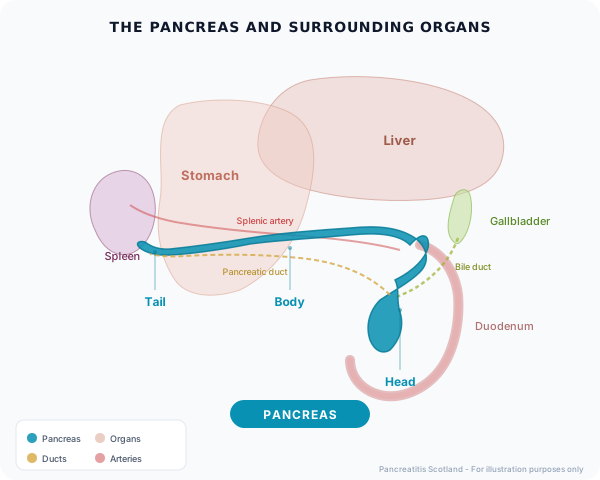
The pancreas sits behind the stomach, nestled in the curve of the duodenum
Fever
Elevated temperature as the body responds
A temperature above 38C can indicate inflammation or infection. Fever alongside abdominal pain should prompt urgent medical review.
Rapid Heartbeat
Heart rate may increase with inflammation
Tachycardia can be a sign of severe pancreatitis or dehydration. Monitoring heart rate is part of clinical assessment.
Swollen Abdomen
Abdomen may feel tender to the touch
Abdominal distension and tenderness in the upper belly area are key clinical signs that doctors look for during examination.
Pain After Eating
Symptoms often worsen after meals
Eating triggers the pancreas to produce digestive enzymes, which can intensify pain. Fatty foods in particular may worsen symptoms.
Diagnosis & Treatment
Doctors typically use blood tests, imaging such as CT scans or ultrasound, and assessment of your symptoms and medical history. Blood tests look for elevated levels of pancreatic enzymes (amylase and lipase). Imaging helps identify inflammation, gallstones, or other complications.
Treatment depends on severity. Acute pancreatitis usually involves hospital admission for pain management, IV fluids, and nutritional support. Chronic management focuses on pain relief, enzyme supplements, and dietary changes. In some cases, surgery may be needed to remove gallstones or drain fluid collections.
Speak to your GP. For more information, visit NHS Inform, Scotland's national health information service. You can also download our patient factsheets or get in touch with us directly. Pancreatitis Scotland is here to provide support, guidance, and connection to our community of patients and carers.
Living with Pancreatitis
Living with pancreatitis changed everything for me. Having access to reliable information and knowing I wasn't alone made all the difference in my recovery. Charities like Pancreatitis Scotland are a lifeline for patients and families.
Patient Story
Shared with Pancreatitis Scotland
Pancreatitis can have a profound impact on quality of life. Beyond physical symptoms, many patients experience anxiety, depression, and isolation.
Managing pancreatitis often involves ongoing dietary changes, medication, and regular appointments. You're not alone -- support is available.
At Pancreatitis Scotland, we believe the patient voice must be at the heart of everything we do. We're building a community where patients and families can access reliable information and feel supported.
Help Us Raise Awareness
The more people who understand pancreatitis, the better the outcomes for patients across Scotland.
Get Involved